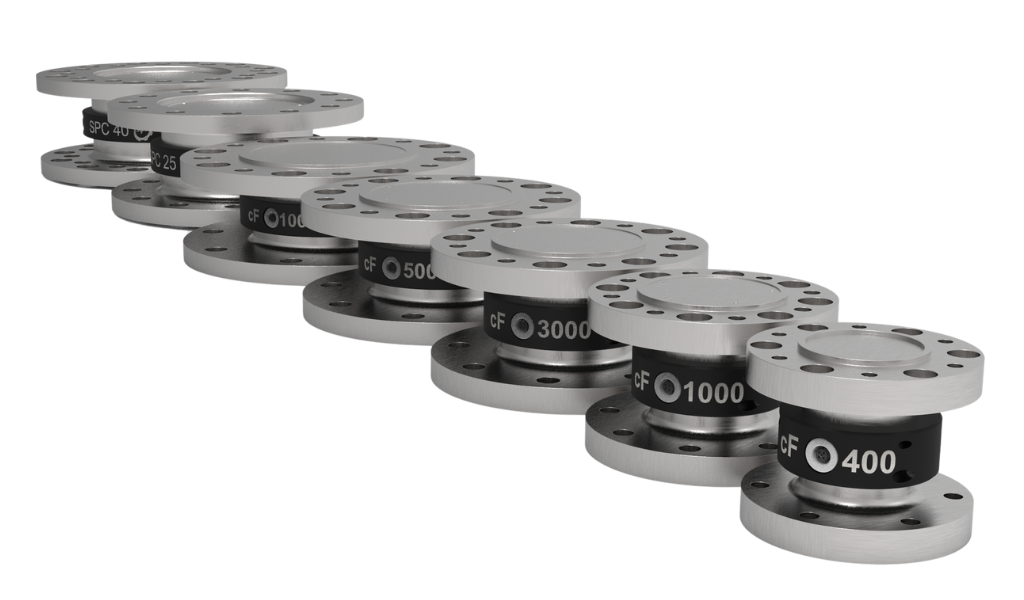
coreFLANGE
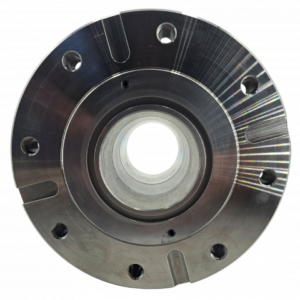
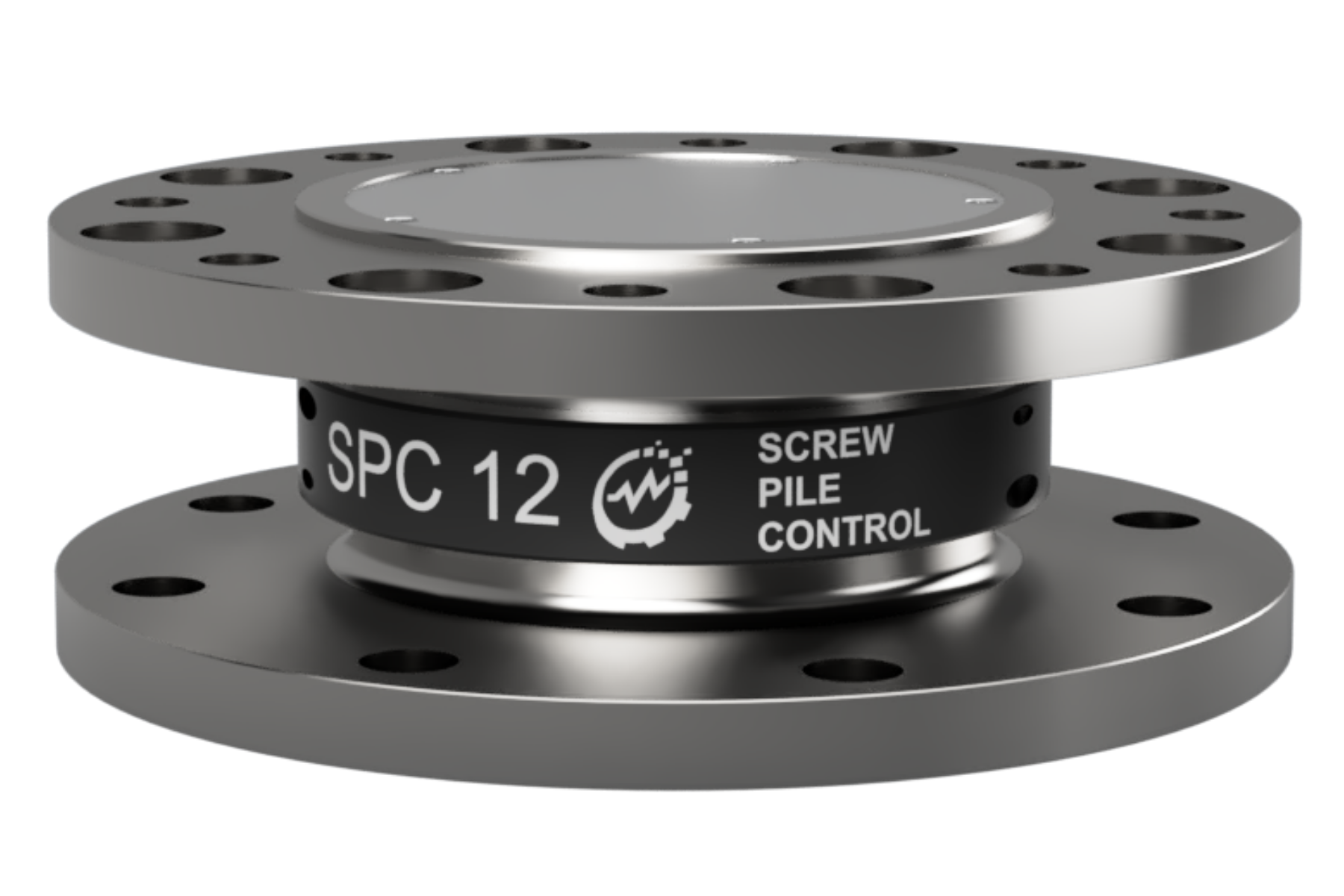
Wireless torque measurement flange, rotating with the drive train, without a slip ring or stator. Measures torque and speed for rated torques ranging from 400 Nm to 40,000 Nm.
400 Nm to 40,000 Nm
Rated torque with different sizes and DIN flanges
Rotating, without a slip ring
Measurement electronics with an antenna integrated directly into the rotating flange, without a stator
0.5% accuracy class
Accurate and reliable readings with a factory calibration certificate
Data provision
Visualization and logging via app, gateways for standard interfaces
coreFLANGE
Description
- Measuring range adjustable to 40 kNm with various sizes
- 0.5% accuracy class for torque and speed
- Power Supply via Rechargeable Battery, Battery, or Induction
- Data transmission via Bluetooth, built-in logger
- coreVIEWER: Free Visualization and Logging
- Interfaces: 0...10 V, CAN, RS-232/422/485, TCP/IP
What is coreFLANGE used for?
Record Torque When Installing Screw Piles
When driving screw piles into the ground, coreFLANGE measures torque directly at the drive unit—wirelessly, even during rotation. For each pile, a traceable torque log is generated to document the embedment depth and load-bearing capacity.
Measuring Torque and RPM on a Powertrain Test Stand
On the test bench, coreFLANGE measures torque, speed, and acceleration synchronously and in a co-rotating manner, with a sampling rate of up to 1,000 Hz. Since it has no slip ring and no stator, the flange can be mounted directly into the test setup.
Monitoring Torque on Rolling Mill Drives
On rolling mill drives, coreFLANGE visualizes load peaks and torque curves, even in harsh environments. The measurement flange covers nominal torques up to 40,000 Nm and transmits data wirelessly from the rotating train.
Monitoring the Condition of Pump Drives via Torque
Torque and speed are continuously monitored on pump drives to detect operational deviations early on. Changes in these parameters provide an early indication of wear or malfunctions.
Measuring Torque Directly in the Drill Drive During Drilling
coreFLANGE measures drilling torque directly within the drive train, wirelessly and despite rotation. This provides the data foundation for process control and documentation during drilling and foundation work.
Measuring Torque on Agitators and Mixers
Torque from the agitator drive can be used as a process variable and control parameter. coreFLANGE is installed in the drive train so that it rotates with the drive and transmits the values via Bluetooth.
Using Torque as a Process Variable on Machine Tools
In a machine tool’s drive system, torque serves as a parameter for process monitoring. The signal is transmitted in real time to the machine control system via a coreGATE.
Narrowing Down Drive Vibrations During Troubleshooting
In cases of unclear malfunctions, coreFLANGE measures torque and acceleration simultaneously. The synchronously recorded data helps to quickly pinpoint the cause of vibrations in the drivetrain.
Measuring Torque in the Power Take-Off of Commercial Vehicles
Whether it’s a sweeper, a pump, or a winch: coreFLANGE measures the torque at the power take-off directly within the rotating assembly—wirelessly and under actual operating conditions. This makes the actual loads on the attachment visible.
coreFLANGE Torque Measurement Flange
Wireless torque measuring flange with integrated battery and speed
- Co-rotating measurement electronics without a stator
- Torque & RPM, 400 Nm… 40,000 Nm
- Use with free app, logging, gateway
Highlights coreFLANGE
- Rotating torque sensor with integrated speed measurement
- Wireless. Contactless. Stockless.
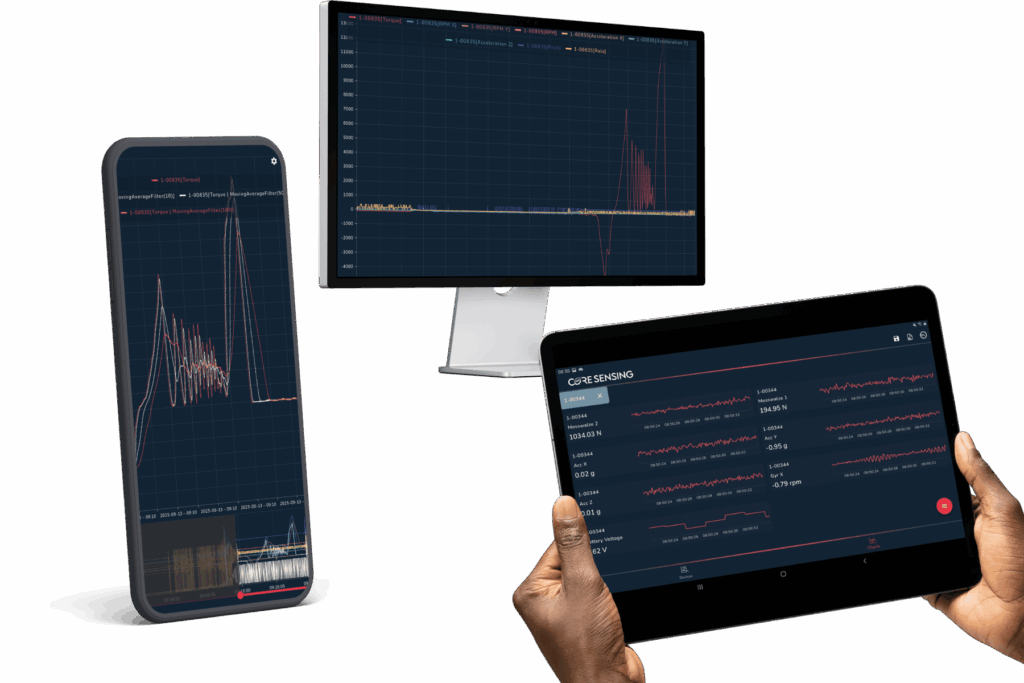
- Visualization, logging, and filtering via free coreVIEWER app
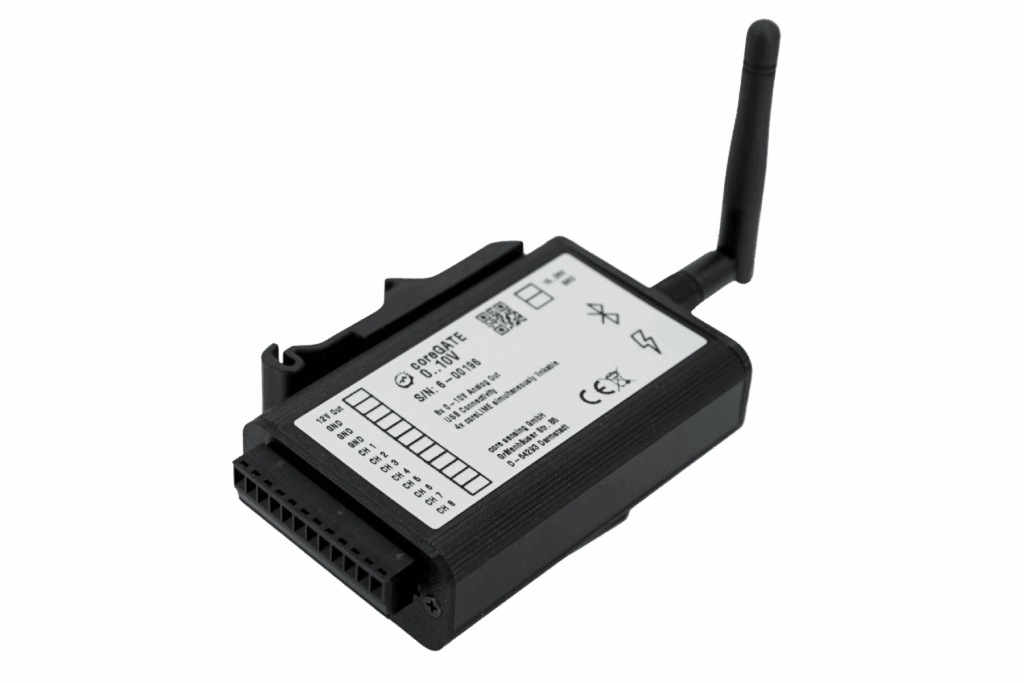
- Versatile interfaces via coreGATE gateway (0–10V, USB, CAN, TCP/IP, MQTT, etc.)
- Open BLE interface, documentation available upon request
Wireless torque sensor coreFLANGE in brief
- Flexible Measurement Ranges: Choose from a wide range of nominal torques, from 400 Nm to 40 kNm, to meet your specific requirements.
- Comprehensive sensor fusion: Integrated measurements of bending moment, speed, acceleration, and temperature provide you with a complete picture of torque conditions.
- Load cycle monitoring: Track load cycles and detect potential issues early to avoid downtime.
- Industry-standard flange mounting: coreFLANGE integrates easily into existing systems and can be customized to your specific requirements.
Custom adaptation options
Individual geometries and hole patterns
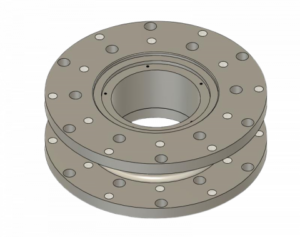
Customer-specific geometries can be realized from a quantity of 1. However, adapter disks are often a pragmatic solution.
Additional measured variables
Expansion with a second or even third channel based on strain gauges is possible. Common applications include axial force or bending moment.
Fluid passage

Incorporation of a fluid passage is generally possible, but must be evaluated on a case-by-case basis. The larger the sensor design, the better a passage can be realized.
Latency reduction
The typical latency of the BLE measurement system is up to 100 ms. Through specific software customization, this can be reduced to a maximum of 1 ms. Details should be discussed in a meeting.
Custom adapters
Adapters can be designed and supplied in a wide variety of configurations to match your requirements.
DAkkS calibration
On request, the torque sensors can be supplied with a DAkkS calibration carried out by a certified calibration laboratory.
Information and options for the measuring chain
The modular construction kit from core sensing enables a wide range of options for mapping the measurement chain according to the respective application. The focus is always on energy-efficient, wireless transmission of the measurement data.

Sensors
Generation of measured values with different sensor principles
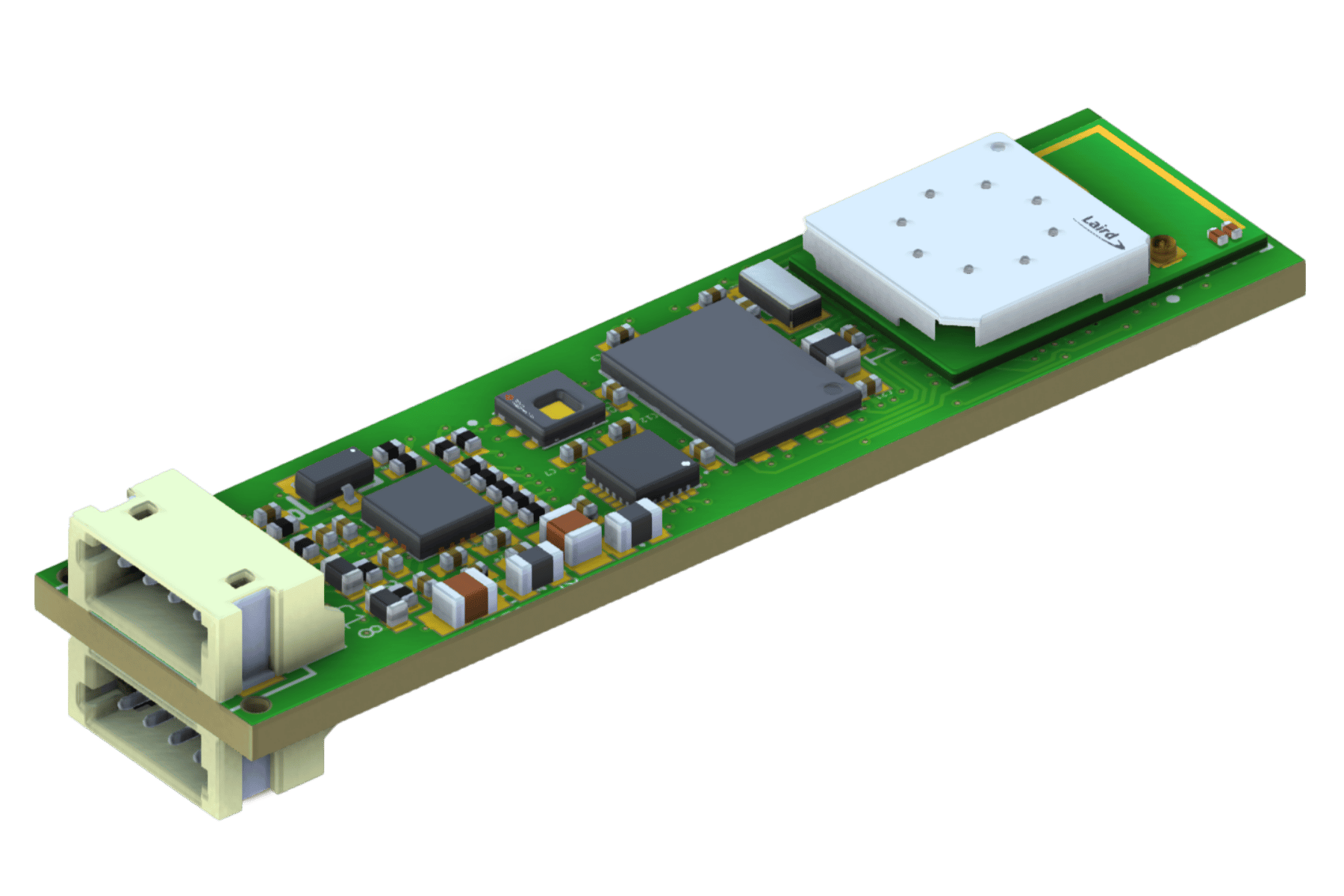
Data acquisition
Amplification, digitization and fusion of measured values
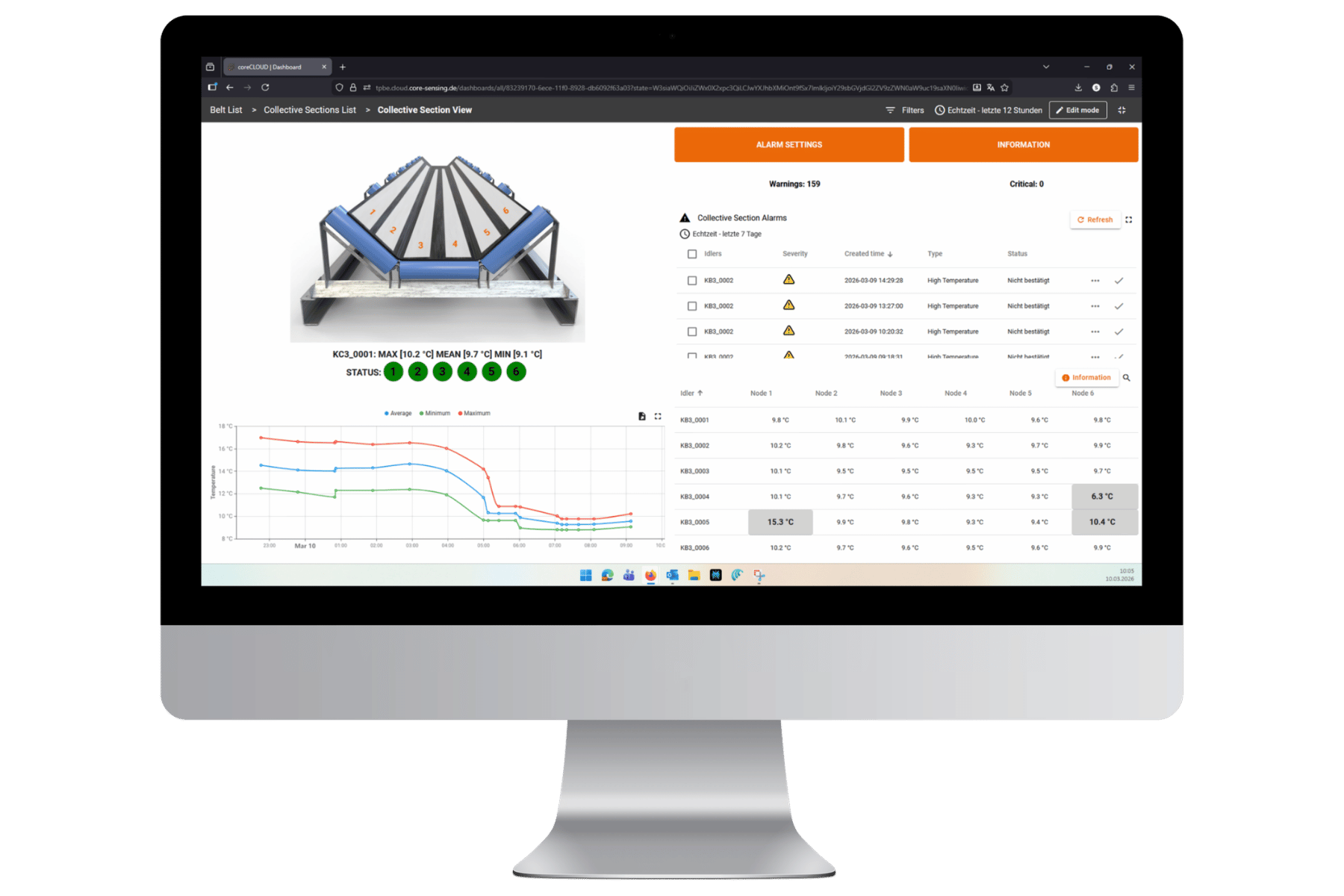
Data provision
Provision of measurement data for final use
- coreLIME – wireless measuring amplifier
- Acceleration
- Gyroscope
- Speed
- Temperature
- Air humidity
- coreIN – Wireless sensors
- Wheatstone Bridge
- coreLIME
- Compatibility with a wide range of sensors and sensor principles
- coreLIME & coreMOBILE
- Configuration of the sampling rate & provision intervals
- Logging and events (threshold values)
- Data pre-processing with DSP Toolbox
- Compatibility:
- Wheatstone bridges (strain gauges), full bridges, half bridges, quarter bridges
- Pressure sensors
- Sensors with analog signal output (0…10V, 4…20mA)
- Sensors with I2C & SPI
- We would be happy to advise you on other sensors and interfaces
- coreVIEWER – free mobile app
- Live view
- Export CSV Log
- Analysis CSV Log, Toolbox
- coreGATE – Gateways
- USB
- 0…10V
- CAN bus
- RS232/422/485
- TCP/IP
- MQTT
- coreCLOUD – Analytics & API
- Dashboard
- REST API
Customer Testimonials
We use coreFLANGE 400 on Arctic expeditions to measure torque during ice drilling. Compared to the time-consuming manual documentation, this is a huge step forward - the measurement quality, handling and reliability have fully convinced us.

Frequently Asked Questions
What metrics does coreFLANGE track?
The standard version measures torque, speed, acceleration, and temperature—in other words, it’s more than just a torque flange.
How does the coreFLANGE transmit data from the rotating flange?
Via Bluetooth Low Energy, co-rotating, without a slip ring or stator. Internal sampling occurs at up to 1,000 Hz; data is transmitted wirelessly at up to 500 Hz, with a range of up to 20 m.
Does coreFLANGE require a cloud connection?
No. Operation, real-time display, and data logging are handled directly via Bluetooth using the free coreVIEWER app (iOS and Android). coreGATE gateways are available for connecting to control systems.
How do the measured values get into my system or PLC?
Via a coreGATE gateway. Depending on the model, it converts the radio signal to 0–10 V, USB, CAN, or RS-232/422/485. Additional interfaces are available upon request.
What sizes are available, and how do I choose the correct rated torque?
Seven sizes ranging from 400 Nm to 40 kNm (cF400 to cF40.000). Select the rated torque so that your typical operating torque utilizes as much of the measurement range as possible. Static overload up to 140% of the rated torque is permissible. We’d be happy to assist you with your selection.
Can the coreFLANGE also measure axial force or bending moment?
Yes, upon request. Up to three mechanical parameters per flange are possible, as are custom flange configurations and customized geometries.
How accurately does the coreFLANGE measure?
Torque is measured using strain gauges, which measure the mechanical stress in the metal body of the flange. Rotational speed is determined using a gyroscope, and acceleration and temperature are measured using an IMU.
How long does the battery last?
Depending on the size and transmission rate. At 1 Hz, from 600 h (cF400) to 3,120 h (starting at cF3,000); at 500 Hz, from 47 h to 245 h. Typically about one year in standby mode. Charging is done via USB using the industrial connector. The runtime figures apply to firmware version 5.4.4.
Is continuous operation possible without recharging the battery?
Yes, available upon request with inductive power supply via a pickup.
Does the coreFLANGE work in harsh environments?
Yes. The electronics are encapsulated in a rugged metal housing and designed to meet IP67 standards. Operating temperature: -20 to 60 °C; permissible centrifugal acceleration: 30 g.
How do I analyze the measurement data?
Live display, configuration, and logging are handled through the coreVIEWER app. Recorded measurements can be exported and processed externally.
What's included in the package?
Measuring flange, USB charging cable, carrying case, factory calibration certificate, and quick guide.
What is the coreFLANGE typically used for?
Rapid measurement applications in powertrains, product development, and test series, as well as condition monitoring and quality assurance.